Does Teenage Gynecomastia Go Away? What Parents and Teens Should Know
Posted by Dr. Dadvand August 19, 2026
Hearing that your son has developed enlarged breast tissue can be concerning. Many parents wonder, does teenage gynecomastia go away, or is surgery the only solution? The good news is that, in most cases, gynecomastia in teenage boys is a temporary part of puberty and resolves on its own.
As a plastic surgeon specializing in gynecomastia surgery, one of the most important parts of my job is helping families understand when observation is appropriate and when treatment may be necessary.
Why Gynecomastia Happens During the Teenage Years
Gynecomastia in teenage boys is extremely common. Studies estimate that up to 70% of adolescent males develop some degree of enlarged breast tissue during puberty. This occurs because hormone levels fluctuate rapidly during adolescence, creating a temporary imbalance between estrogen and testosterone.
For many teenagers, this hormonal shift results in excess glandular breast tissue that may affect one or both sides of the chest.
Does Teenage Gynecomastia Go Away?
In the vast majority of cases, the answer is yes.
The good news is that most cases of pubertal gynecomastia resolve naturally. Research shows that 75% to 90% of adolescent boys experience spontaneous improvement within one to three years, which is why careful observation is often the first recommendation before considering surgery.
When a teenager visits my office, one of my first questions is how long the breast enlargement has been present. If it has been less than three years and appears consistent with normal puberty, I typically recommend observation rather than surgery. Allowing the body time to complete its natural hormonal changes can often prevent unnecessary treatment.
When Is a Teen Male Developing Breast Tissue a Cause for Concern?
Although a teen male developing breast tissue is often normal during puberty, there are situations where further evaluation is appropriate.
You should schedule an evaluation if:
- The breast enlargement persists beyond two to three years.
- The condition continues after puberty is complete.
- There is significant pain or tenderness.
- One breast is growing much more than the other.
- The enlargement causes emotional distress or affects daily activities.
Every patient is unique, so a thorough examination is important to determine whether the enlarged chest is caused by glandular breast tissue, excess fat, or another underlying condition.
Can Exercise Make Gynecomastia Go Away?
This is one of the most common questions I receive.
The answer depends on what is causing the enlarged chest.
If the fullness is primarily due to excess body fat, weight loss and exercise may improve the appearance of the chest. However, true gynecomastia involves excess glandular breast tissue, and no amount of exercise can eliminate that tissue.
Many young men become frustrated after spending months in the gym only to find that the fullness beneath the nipples remains. In these cases, exercise can strengthen the chest muscles but will not remove the enlarged breast gland.
When Is Gynecomastia Surgery Recommended?
If gynecomastia in teenage patients does not resolve after puberty and the breast tissue remains stable for several years, surgery may be considered.
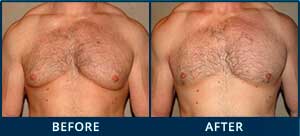
Gynecomastia surgery is designed to remove excess glandular tissue and restore a flatter, more masculine chest contour. Depending on the amount of excess tissue and skin, liposuction may be combined with direct gland removal to achieve the best possible result.
One of the benefits of surgery is that the results are considered permanent, provided the patient avoids factors that can stimulate new breast tissue growth, such as anabolic steroid use or certain medications.
Helping Teenagers Regain Their Confidence
For many young men, gynecomastia is more than a physical condition. It can affect self-esteem, participation in sports, swimming, and other social activities during an important stage of life.
Whether your son simply needs reassurance that the condition will improve naturally or is a candidate for surgery after puberty, an evaluation with a gynecomastia specialist can provide clarity and peace of mind.
If you are wondering, “Does teenage gynecomastia go away?” the answer depends on the underlying cause, how long it has been present, and whether the breast tissue is part of normal puberty or a persistent condition. An experienced evaluation can help determine the most appropriate next step. Contact my office to schedule a consultation.