How Artistry in Plastic Surgery Shapes Results
Posted by Dr. Dadvand June 12, 2026
When most people think about plastic surgery, they often focus on the technical side of the profession. They imagine years of medical training, surgical precision, and a deep understanding of anatomy. While all of those elements are essential, they only tell part of the story.
What many patients do not realize is that some of the best surgical outcomes come from a unique combination of science and artistry.
As a board-certified plastic surgeon, I have always believed that plastic surgery is one of the few medical specialties that truly exists at the intersection of medicine and art. Long before I entered medical school, I studied fine arts, concentrating in oil painting and figure sculpture. Looking back, I now recognize how profoundly that artistic training shaped the surgeon I would eventually become.
The Artistry in Plastic Surgery
Art teaches you to see the world differently. When creating a sculpture or painting a portrait, you learn to observe proportion, balance, symmetry, contour, light, shadow, and subtle relationships between structures. You begin to understand that small adjustments can dramatically affect the overall appearance of a subject.
The same principles apply in plastic surgery.
Successful surgery is about understanding how every adjustment influences the overall harmony of the body. The artistry in plastic surgery lies in the ability to visualize the final result before making the first incision and then executing that vision with precision.
For patients undergoing gynecomastia surgery, this distinction is especially important.
Why Artistic Vision Matters in Gynecomastia Surgery
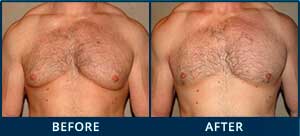
Gynecomastia surgery is often misunderstood as a straightforward procedure that involves removing excess tissue from the chest. However, every patient’s anatomy is different. Chest width, muscle development, skin quality, nipple position, and overall body proportions must all be considered. The goal is not simply to make the chest flatter. The goal is to create a natural-looking contour that appears as though gynecomastia was never present in the first place.
Thus, a surgeon must evaluate the chest as a whole, understand how it relates to the surrounding anatomy, and make countless nuanced decisions throughout the procedure. The difference between an acceptable result and an exceptional result often comes down to these artistic considerations.
Looking Beyond the Procedure
One of the reasons I was drawn to plastic surgery during my surgical training was the opportunity to think creatively.
In many areas of medicine, there is a relatively fixed solution to a problem. Plastic surgery challenged me to think differently. It required me to evaluate each patient as an individual and develop a personalized strategy to achieve the best possible outcome.
That approach continues to guide my practice today.
The Difference Between Correction and Transformation
Patients often ask what separates a good result from a great one. The answer frequently comes down to details. A technically successful operation can remove excess tissue. An artistically executed operation can restore confidence by creating balance, proportion, and natural definition.
The best surgical results do not draw attention to themselves. They simply look right.
Why Art and Medicine Belong Together
Plastic surgery is often described as a blend of art and science, but I believe it is more than that. The scientific principles provide the foundation for safety and precision, while artistic judgment guides the aesthetic outcome.
My background in fine arts taught me to appreciate form, balance, and visual harmony long before I entered an operating room. Today, those same principles continue to influence every procedure I perform. For patients seeking gynecomastia surgery, that combination of technical expertise and artistic perspective can make a meaningful difference in achieving natural, balanced, and lasting results.
Explore the Possibilities
If you are considering gynecomastia surgery and would like to learn more about my approach, I invite you to schedule a consultation. Together, we can discuss your goals and create a personalized treatment plan designed to achieve a result that looks natural and is uniquely suited to you.
Schedule a Consultation
Learn More About Dr. Dadvand