Gynecomastia and Steroid Use
As a plastic surgeon specializing in gynecomastia surgery, I see a variety of causes of increased breast tissue in... Read more.
Babak Dadvand M.D.
Board Certified Plastic Surgeon
8500 Wilshire Blvd. Suite 615 | Beverly Hills, CA 90211
JUMP TO SECTION:
Dr. Babak Dadvand explains gynecomastia as a common condition involving excess male breast tissue that can affect men at any age. When patients consult him in Beverly Hills, LA, he breaks down the difference between glandular tissue and fat, outlines common causes such as puberty, medications, and hormonal changes, and explains why exercise alone often is not enough. Dr. Dadvand also describes the types and grades of gynecomastia, helping patients understand their condition before taking the next step.
All males have breast tissue. However, men who have gynecomastia experience an increased amount of glandular tissue in the pectoral area. These patients usually feel embarrassed and often avoid situations where they will need to expose their chests in public, which can affect their confidence and self-esteem.
Dr. Dadvand, a board-certified plastic surgeon in Beverly Hills, has dedicated a large part of his practice to deeply understanding gynecomastia and developing techniques to surgically correct this condition. He specializes in gynecomastia surgery for males of all ages in LA and strives to help his patients achieve their goals. To learn more about Dr. Dadvand’s work, get in touch with his practice and make an appointment today.
There are many factors that can lead to an increase in gland tissue. The broad categories of causes include:
Puberty is a common cause of gynecomastia due to hormonal surges and imbalances. Gynecomastia can also develop later in life, when changing hormone levels shift the balance between testosterone and estrogen. See Gynecomastia in Old Age for more.
Many medications such as anabolic steroids, antidepressants, antipsychotics, anti-seizure solutions, and heart medications may also cause disturbances to the delicate testosterone pathways. This will alter the testosterone-to-estrogen ratio and can lead to the production of secondary estrogens. Read more about medications that can cause gynecomastia.
Hormone disorders and breast cancer can cause gynecomastia, as can other medical conditions that change hormone levels. A doctor can check for these during an exam.
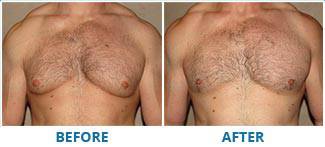
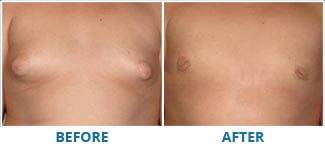
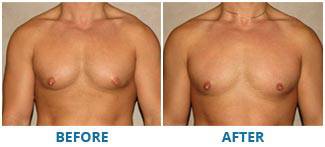
An elevated estrogen level can stimulate the glandular tissue to grow, leading to the features typical in gynecomastia: puffy nipple, cone-shaped chest, and fullness on the outer and lower part of the chest. While it is important to first determine the cause of gynecomastia, for many patients gynecomastia surgery is a viable option for resolving this condition.
Gynecomastia and Steroid Use
As a plastic surgeon specializing in gynecomastia surgery, I see a variety of causes of increased breast tissue in... Read more.

The glandular tissue is located under the areola but in most males, it extends out to the side and to a lesser degree towards the inner chest. Glandular tissue is different than fatty tissue and so its removal differs as well. Glandular tissue tends to feel firm and rubbery. To see how a simple exam helps tell the two apart, read about the gynecomastia pinch test.
How glandular tissue and fat are treated differs. Your Gynecomastia Surgery explains the procedure, including its risks, and Gynecomastia in Overweight Men explains how excess fat affects treatment.
If you want to learn more about Dr. Dadvand’s work, contact his Beverly Hills, LA, practice and book a consultation today.
Gynecomastia is not the same for every patient. It can look different depending on age, body type, and cause, and surgeons also describe it by grade, from a small button of tissue under the nipple in Grade 1 to larger enlargement with excess skin in the higher grades. An in-person exam is the only reliable way to confirm which type and grade applies. Explore the types of gynecomastia below:
Common signs include a firm or rubbery area of tissue under the nipple, puffy nipples, fullness on the outer and lower part of the chest, and a cone-shaped chest. The area can also feel tender, and it can affect one or both sides.
Gynecomastia is very common. It can appear in newborns, during puberty, and again in older men as hormone levels change. Learn more about Teenage Gynecomastia and Gynecomastia in Old Age.
In many teenagers, gynecomastia improves on its own as puberty ends. See Teenage Gynecomastia for details. In adults, glandular tissue that has developed usually does not go away without treatment, so an in-person exam is the best way to understand your options.
See a doctor if the swelling is new, painful, tender, or on one side only, if there is nipple discharge, or if it causes distress. A doctor can check for an underlying cause and explain your options.
Gynecomastia is an overgrowth of glandular tissue, not breast cancer, and it does not usually raise the risk of breast cancer. Breast cancer in men is uncommon, but a doctor should examine any lump that feels hard or fixed in place.


First off, I myself am a physician. I had bilateral MALE BREAST REDUCTION surgery for gynecomastia and I wholeheartedly recommend Dr. D. I had thought about getting the procedure done for the past 2 years because I was self-conscious going to the gym, going to the beach and even just wearing fitted t-shirts. I finally decided to pull the trigger about 6 months ago and I’m so glad that I did. I looked around, got several quotes and visited several doctors. I knew I wanted someone that did a lot of these surgeries for guys.


By Dr. Babak Dadvand, M.D.
As a board-certified plastic surgeon and skilled portrait artist, I bring a distinctive combination of artistic vision and surgical expertise. My commitment is to deliver exceptional outcomes while maintaining the highest ethical standards and fostering trust and satisfaction among my patients.