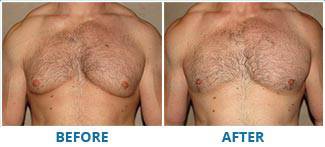
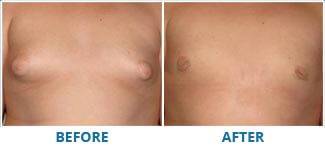
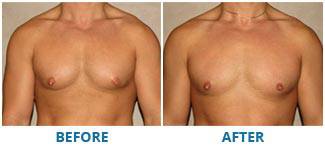
Gynecomastia and Steroid Use
As a plastic surgeon specializing in gynecomastia surgery, I see a variety of causes of increased breast tissue in... Read more.
Babak Dadvand M.D.
Board Certified Plastic Surgeon
8500 Wilshire Blvd. Suite 615 | Beverly Hills, CA 90211
JUMP TO SECTION:
Dr. Dadvand carefully evaluates gynecomastia in teenage boys, recognizing that many cases resolve naturally during puberty. This page explains when observation is appropriate and when surgery may be considered — typically if breast tissue persists for more than two years or causes emotional distress. Dr. Dadvand emphasizes individualized care, thorough evaluation, and conservative decision-making for younger patients. He also discusses surgical safety, long-term outcomes, and the importance of addressing confidence concerns while avoiding unnecessary procedures. Parents and teens gain clarity on timing, candidacy, and realistic expectations.
The enlargement of the male pectoral area, which is a condition called gynecomastia, is fairly common among pubescent boys. Also known as physiologic gynecomastia, this condition affects around 66% of boys going through puberty.
Most teenage gynecomastia cases occur between the ages of 13 and 14, although this condition can happen at any point during puberty. Needless to say, puberty is an extremely challenging time for young boys as many of them go through physical and emotional changes that affect their development. At this age, gynecomastia can affect a teenager’s self-image and confidence, so it is important to consult with a specialist.
Dr. Dadvand, a double board-certified plastic surgeon, specializes in teen gynecomastia surgery in Los Angeles. He understands the negative effects that this condition can have on teenage boys, which is one of the reasons he dedicates a large part of his practice to these patients. If you want to learn more about Dr. Dadvand’s gynecomastia surgeries in LA, get in touch with his practice and book a consultation today.
During puberty, male bodies experience a surge in both estrogen and testosterone. However, these sudden fluctuations can affect hormonal ratios and produce imbalances that result in gynecomastia.
In 3 out of 4 cases, gynecomastia in teens disappears without treatment within 2 years. In 9 out of 10 cases, this condition will recede naturally within 3 years, so no treatment is required. However, there are cases where gynecomastia is permanent, so it is important to determine if a patient is a candidate for gynecomastia surgery as soon as possible.
The two most important factors to consider when treating teens with gynecomastia in Los Angeles are:
Gynecomastia and Steroid Use
As a plastic surgeon specializing in gynecomastia surgery, I see a variety of causes of increased breast tissue in... Read more.
It is important to note that there is no “minimum age” for gynecomastia surgery. Dr. Dadvand examines each teenage patient individually to determine the need for this procedure. If the symptoms have been present for more than 2 years and there are no other potential causes, surgery is often recommended.
In gynecomastia cases where the condition was caused by the onset of puberty, the results of the surgery are usually permanent. Teens that have gynecomastia surgery do not typically experience symptoms after the procedure, except for cases of excessive weight gain or when taking medication known to produce male breast enlargement.
Some of the potential risks and temporary side-effects associated with teenage gynecomastia surgery include, but are not limited to:
Dr. Dadvand is a double board-certified plastic surgeon who specializes in teen gynecomastia surgery. Find out more about his work by contacting his practice and booking a consultation today.
Gynecomastia does not interfere with muscle development, strength, or athletic ability. However, some teens may avoid sports or physical activities due to self-consciousness rather than physical limitations.
If breast enlargement causes emotional distress, social withdrawal, or persists despite observation, a consultation with a gynecomastia specialist can help clarify whether monitoring or treatment is appropriate.
Incisions are typically placed around the edge of the areola, where scars tend to heal discreetly. In younger patients, scars often fade well over time and become minimally noticeable.


By Dr. Babak Dadvand, M.D.
As a board-certified plastic surgeon and skilled portrait artist, I bring a distinctive combination of artistic vision and surgical expertise. My commitment is to deliver exceptional outcomes while maintaining the highest ethical standards and fostering trust and satisfaction among my patients.