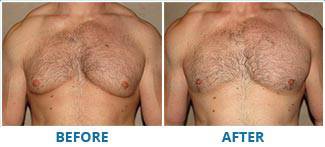
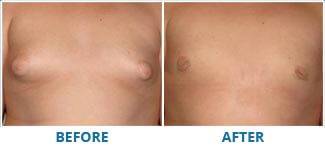
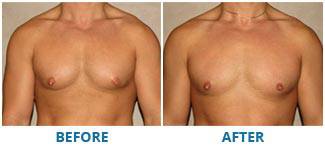
Gynecomastia and Steroid Use
As a plastic surgeon specializing in gynecomastia surgery, I see a variety of causes of increased breast tissue in... Read more.
Babak Dadvand M.D.
Board Certified Plastic Surgeon
8500 Wilshire Blvd. Suite 615 | Beverly Hills, CA 90211
JUMP TO SECTION:
Why do bodybuilders develop gynecomastia, even with low body fat? Dr. Dadvand explains how anabolic steroids and hormone imbalances can lead to stubborn glandular breast tissue that won’t respond to diet or training. This page outlines how he treats these cases using precise surgical excision, often combined with liposuction, to restore chest definition. Dr. Dadvand also discusses the importance of discontinuing steroid use to reduce recurrence, reviews surgical risks, and explains how treatment is tailored for athletic physiques requiring symmetry and contour accuracy.
Dr. Dadvand is a sought-after plastic surgeon for bodybuilders seeking gynecomastia surgery because of his deep expertise in treating complex cases of male breast enlargement. He sees patients with a variety of causes, but one of the most common and identifiable is gynecomastia resulting from exogenous steroid use. Steroid-related breast tissue can be particularly dense and challenging to remove, requiring precision and experience to achieve a natural, masculine chest contour.
Bodybuilders trust Dr. Dadvand not only for his surgical skill but also for his personalized approach. He carefully evaluates each patient, tailors the procedure to their unique anatomy and goals, and ensures minimal scarring and a smooth recovery. His combination of technical expertise and understanding of athletic physiques makes him a leading choice for gynecomastia surgery in Los Angeles.
The human body produces hormones, which are basically messengers that are sent from one part of the body to another and direct that body part to perform a specific function. Hormones work in a delicate balance, therefore, having too little or too much of a hormone can cause specific symptoms.
In the case of testosterone, the body maintains a certain level of free testosterone. Too little testosterone can make men feel tired and result in decreased libido. However, when men take exogenous testosterone (and their derivatives), it can lead to excess testosterone that then gets converted into estrogen. This leads to excess estrogen levels, which can stimulate the breast tissue to grow, leading to signs of gynecomastia.
Gynecomastia and Steroid Use
As a plastic surgeon specializing in gynecomastia surgery, I see a variety of causes of increased breast tissue in... Read more.
There are medications, commonly referred to as estrogen blockers, which may counteract any effects of excess estrogen in the body. However, even on an estrogen blocker, men can still develop gynecomastia.
Gynecomastia surgery for bodybuilders involves removing the tissue that causes the chest to look puffy or enlarged. In most cases, this involves removing 100% of the breast tissue. However, sometimes a very small amount of tissue is left behind to avoid any contour abnormalities. For this reason, it is important to discuss with patients that if they continue steroid use after surgery there is a chance that gynecomastia may return, albeit to a lesser degree.
Some of the risks and potential side-effects of gynecomastia surgery for bodybuilders in Los Angeles include:
Dr. Dadvand is a double board-certified plastic surgeon that specializes in breast reduction surgery in men. He understands the negative effects that gynecomastia can have on men of all ages, which is why a large portion of his practice is dedicated to this condition. To learn more about Dr. Dadvand’s work, contact his office and book an appointment today.
In some cases, breast tissue swelling caused by steroid use may partially regress within a few months after discontinuation, but glandular tissue often remains and usually requires surgical removal for a lasting solution.
When performed by an experienced surgeon like Dr. Dadvand, gynecomastia surgery enhances chest contour and definition without compromising muscle appearance, helping bodybuilders achieve a more sculpted, natural-looking chest.
Bodybuilders may require tailored anesthesia planning due to their muscle mass and cardiovascular fitness. Recovery protocols also emphasize a gradual return to intense training to avoid complications and optimize healing.

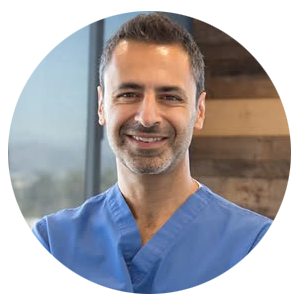
By Dr. Babak Dadvand, M.D.
As a board-certified plastic surgeon and skilled portrait artist, I bring a distinctive combination of artistic vision and surgical expertise. My commitment is to deliver exceptional outcomes while maintaining the highest ethical standards and fostering trust and satisfaction among my patients.