Gynecomastia and Steroid Use
As a plastic surgeon specializing in gynecomastia surgery, I see a variety of causes of increased breast tissue in... Read more.
Babak Dadvand M.D.
Board Certified Plastic Surgeon
8500 Wilshire Blvd. Suite 615 | Beverly Hills, CA 90211
JUMP TO SECTION:
Dr. Dadvand provides detailed aftercare guidance to support healing and long-term results following gynecomastia surgery. This page outlines what patients can expect immediately after surgery, including swelling, discomfort, and the importance of wearing compression garments. It covers activity restrictions, scar care, and common recovery milestones, helping patients feel prepared and confident during healing. Dr. Dadvand emphasizes individualized instructions to minimize complications and optimize chest contour outcomes. If you want to learn more about Dr. Dadvand and gynecomastia surgery in Los Angeles, contact his practice and book a consultation today.
Most men having gynecomastia surgery have been thinking about this procedure for years. However, the surgery day comes and goes quickly. Now, it is time to focus on the recovery or aftercare phase.
Gynecomastia and Steroid Use
As a plastic surgeon specializing in gynecomastia surgery, I see a variety of causes of increased breast tissue in... Read more.
Gynecomastia surgery is conducted on an outpatient basis, so you will return home after the surgery. Some of the potential risks and temporary side-effects include:
Dr. Dadvand, a double board-certified plastic surgeon and gynecomastia specialist in Los Angeles, tailors his procedures and their aftercare to each patient’s unique needs. If you want to find out more about working with Dr. Dadvand, get in touch with his office and book a consultation today!
Most patients can begin light activities within 1 to 2 weeks, but strenuous exercise and heavy lifting should be avoided for at least 4 to 6 weeks to allow proper healing and prevent complications.
Wearing a compression garment as instructed helps reduce swelling, supports the healing tissues, and improves chest contour results. It is typically recommended for several weeks post-surgery.
Contact your surgeon immediately if you notice excessive redness, swelling, severe pain, unusual discharge from incision sites, fever, or any other signs of infection or abnormal healing.

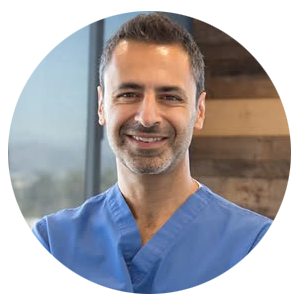
By Dr. Babak Dadvand, M.D.
As a board-certified plastic surgeon and skilled portrait artist, I bring a distinctive combination of artistic vision and surgical expertise. My commitment is to deliver exceptional outcomes while maintaining the highest ethical standards and fostering trust and satisfaction among my patients.